602-905-6532
SDG Electric Standard Logo
low angle shot of a roof under the sunlight

Home Services Panel Upgrades

Electrical Panel Upgrade & Replacement in Phoenix

Panel Capacity for the Way Your Phoenix Home Runs Today

A repair fixes one bad part in a panel that still fits your home. An upgrade makes sense when the panel is too small, too old, or out of space for what you run today. The pattern of problems usually tells you which one you need.

Call 602-584-2244 or request a free on-site estimate.

Two-story stucco homes with clay tile roofs and desert landscaping on a Phoenix-area street

Signs Your Panel Needs an Upgrade, Not Just a Repair

Not every panel problem means a new panel. These signs point toward an upgrade.

Breakers Trip Repeatedly

Several breakers trip when the AC, dryer, and oven run together. The panel likely can’t carry your load.

Lights Dim or Flicker

A short dip when the AC starts is common. Steady or worsening dimming means the panel is being pushed hard.

You Still Have a Fuse Box

Older fuse panels weren’t built for the circuits and loads most homes have today.

Every Slot Is Full

Doubled-up or squeezed-in breakers mean the panel has run out of room.

You’re Adding a Large Load

An EV charger, pool or spa equipment, a heat pump, or a backup generator needs capacity and space.

Heat or Wear at the Panel

A warm cover, burning smell, buzzing, scorch marks, or rust needs prompt attention. Call right away.

Why Phoenix Summers Expose a Weak Panel

Air conditioning runs for long stretches day after day, and many panels sit in garages or on outside walls that get very hot. A panel that seemed fine in March can start tripping breakers or running warm by July.

If your panel is properly sized, has open slots, shows no sign of overheating, and you have just one failed breaker or one loose connection, a full upgrade isn’t needed. In that case we’d point you to electrical panel repair instead. Heat, burning smells, or scorch marks shouldn’t wait for that conversation.
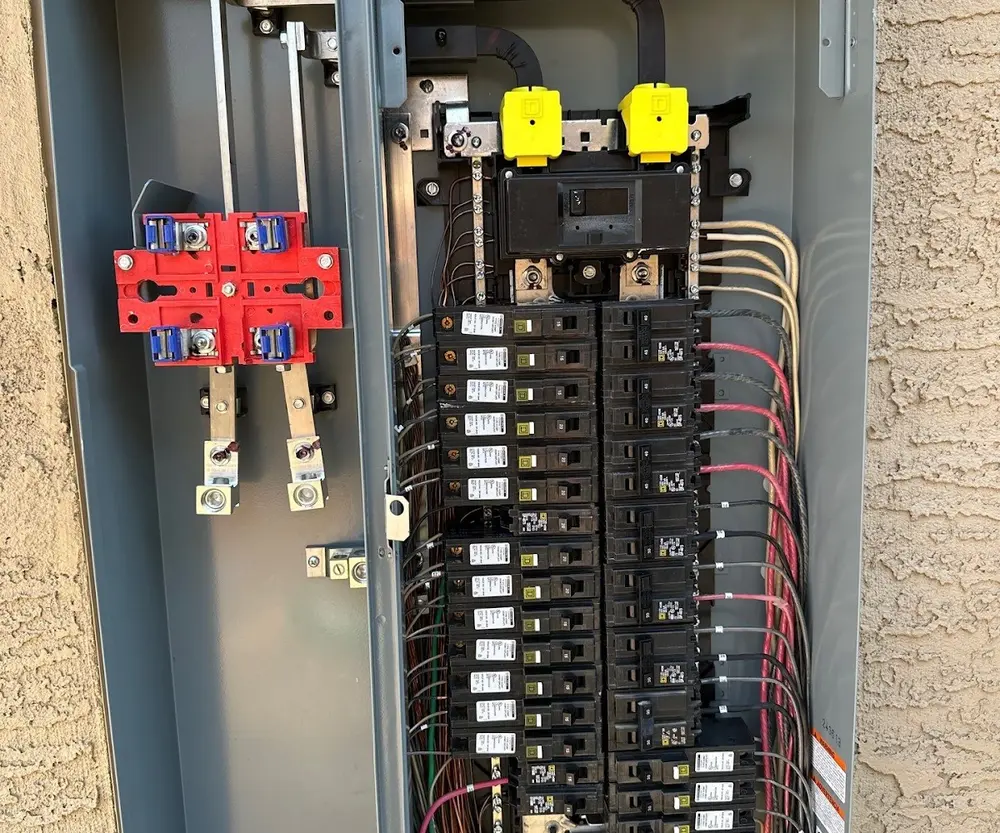
Open main panel with a service disconnect and rows of breakers on a stucco wall at a Phoenix-area home

When You Do Not Need a Full Panel Replacement

A new panel is a big job, and it’s not always the right one. We’d tell you to hold off or choose something smaller when:

  • The trouble is one circuit. A breaker that trips only when the microwave and toaster run together points to an overloaded circuit. Moving a load or adding a circuit fixes it.
  • An appliance is causing the trips. A failing AC motor, pool pump, or space heater can trip a healthy breaker.
  • You only need a new circuit. With open slots and room in your service, a dedicated circuit for a window unit, shop tool, or hot tub may be all you need.
  • You have spare capacity for an EV charger. Many homes support a charger on a properly sized 240-volt circuit without a panel change.
  • You want surge protection. Whole-house surge protection is added to an existing panel in good condition.
  • A home inspector flagged the panel as old. Age alone isn’t a reason to replace a panel that’s correctly sized and not overheating.

Start with the numbers, not the hardware. A load calculation adds up what your home draws, including long AC run times, and compares it to what your service can safely carry. If you have room, a full replacement isn’t justified. If you’re close to the limit, you’ll know why an upgrade makes sense. Want that answer without committing to work? Our electrical inspections look at the panel, the wiring it feeds, and your current load.

There’s also a case for simply waiting. If your panel is sound, you’re not adding big loads, and you haven’t seen heat, buzzing, or repeated trips, there’s no need to replace it now. A good time to look again is before you add something large, like an EV charger, a pool, or a heat pump, so the decision rests on your actual plans.
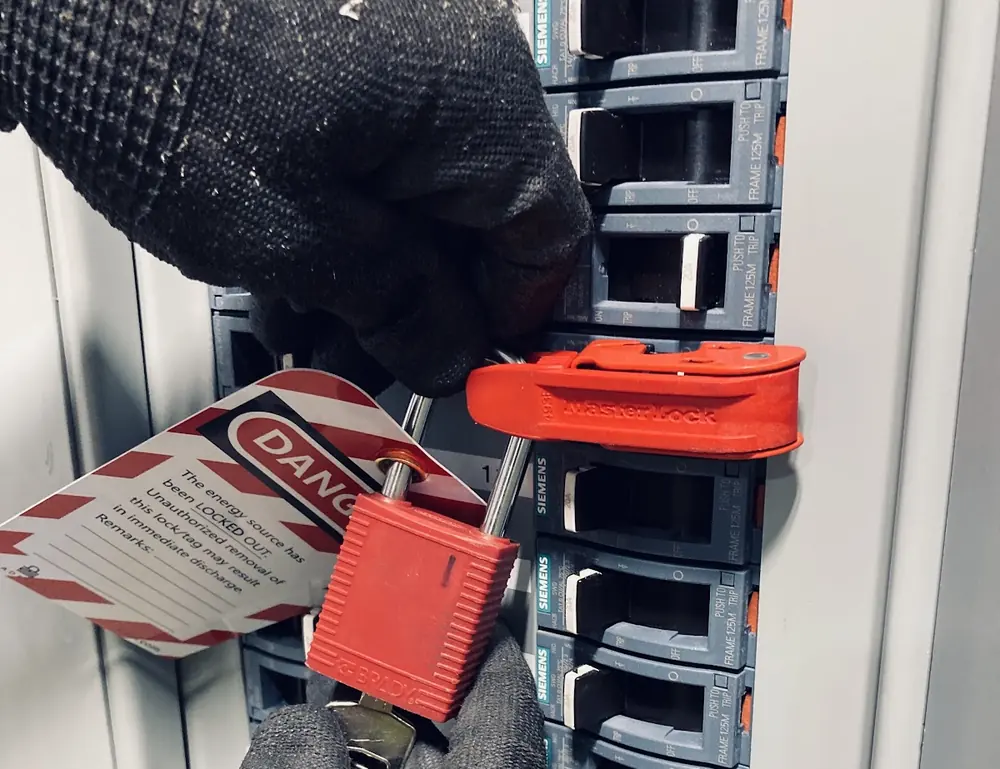
Electrician placing a lockout device on a single breaker in a panel before working on it

Why Phoenix Homes Outgrow Older Panels

Most older panels didn’t fail. The house around them changed. A panel is sized for the loads a home has when it’s built or last updated, and Phoenix homes keep adding big ones:

  • Central air conditioning. Moving from an evaporative cooler to refrigerated AC is one of the biggest load jumps a home can make.
  • A pool or spa. Pumps, heaters, and lighting each need their own circuit.
  • Electric appliances in place of gas. Ranges, water heaters, and dryers pull a large share of capacity.
  • A heat pump or an electric vehicle. Both add steady load that runs for hours.
  • A home office, garage shop, or second fridge. Small alone, they add up.

Each change seems small. A circuit gets squeezed in here, a breaker doubled up there. Then a July afternoon arrives with the AC, pool pump, and dryer all running, and the panel is asked to do more than it was built for. Years of heat on a garage or sun-facing wall are hard on breakers and connections too.

That’s why we don’t judge a panel by age alone. Two homes built the same year can need very different things. The way to tell them apart is to add up what your home uses and plans to use, and compare it to what your panel and service can handle.

Some older homes also have equipment that’s simply out of date. Fuse boxes and some older breaker panels weren’t designed for today’s number of circuits, and parts can be harder to find. That doesn’t make every older panel unsafe, but it’s one more reason to look closely before adding anything new.
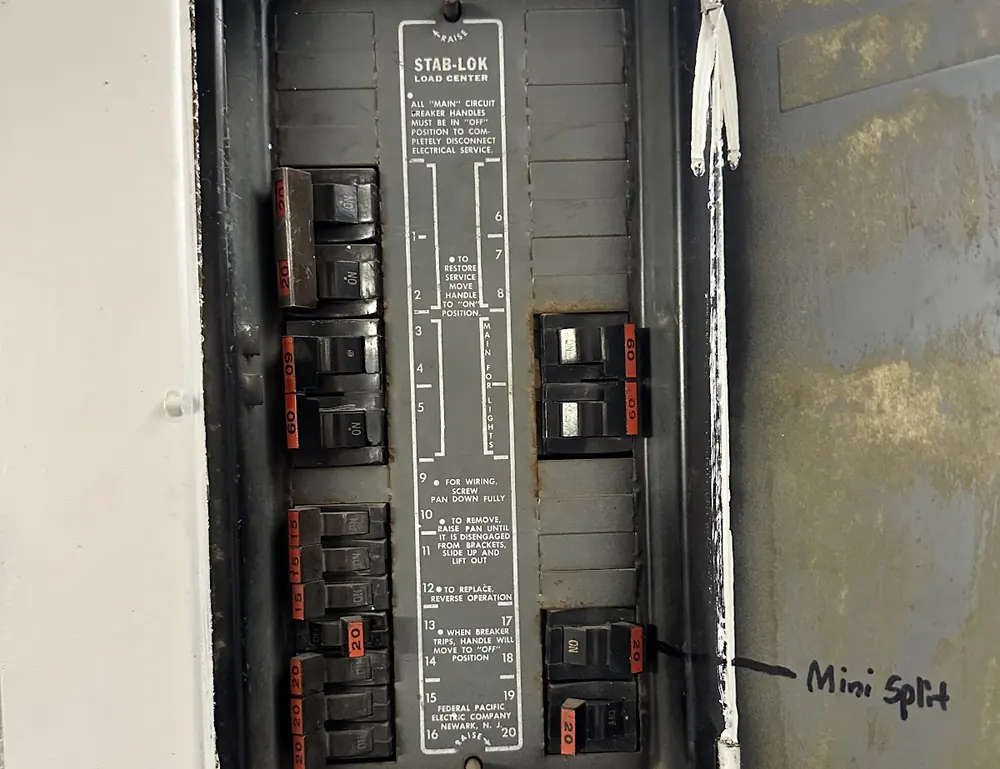
Older breaker panel with a hand-written circuit directory inside the door in a Phoenix-area home

Check Panel Capacity Before Adding an EV Charger or Generator

Check your panel before you buy the equipment, not after. Both are large loads, and both need capacity and physical space in the panel. A Level 2 charger can pull a heavy load for hours, and in Phoenix that often overlaps with an AC still working hard on a summer evening. If the numbers come up short, you have choices:

  • Choose a charger setting that fits your spare capacity. Many chargers can draw less and still charge most cars overnight.
  • Use load management. Some setups slow or pause charging while other big loads run.
  • Upgrade the panel. If you want full-speed charging or have other big additions planned, more capacity solves it for good.

A generator raises a different question: it has to connect to your panel safely. That takes a transfer switch or an approved interlock so power can’t backfeed onto utility lines, and some older or crowded panels don’t have the space or design for one. Decide what you want running in an outage. In a Phoenix summer, that list starts with air conditioning, one of the largest loads in the home.

Sizing matters too. Backing up the whole house takes a much bigger generator and connection than backing up a fridge, a few lights, and some outlets, and your panel layout affects how easy it is to separate the circuits you want to keep on.

If you expect to add both, plan them together and size the panel once. See our EV charger installation and backup generator installation pages, or browse all electrical services. Before any work starts, ask your electrician:
  • Does my current panel have the capacity and open space for this load?
  • Is a smaller charger, load management, or a panel upgrade the better fit?
  • For a generator, which circuits will it back up, and how will it connect safely?
  • If I add more later, will this setup still have room?
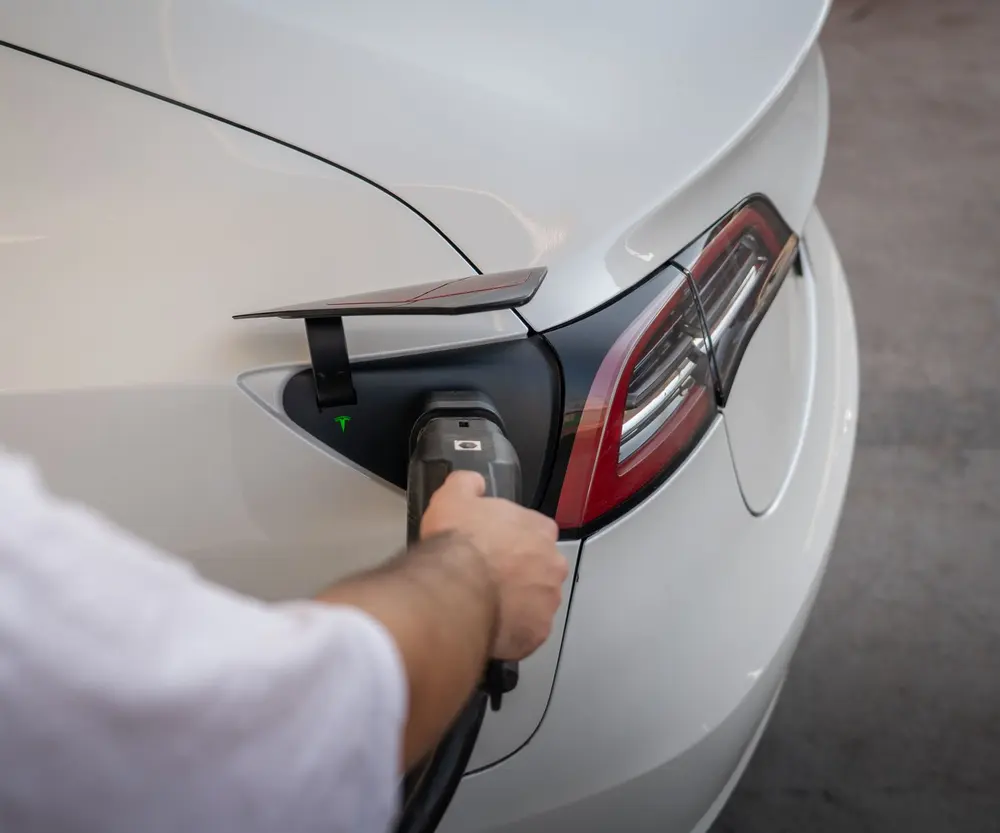
Hand plugging a home charger cable into an electric car, the kind of new load a Phoenix-area panel must support

What Happens During a Panel Upgrade

A panel upgrade isn’t a quick swap. It’s planned work involving your electrician, the city, and your utility.
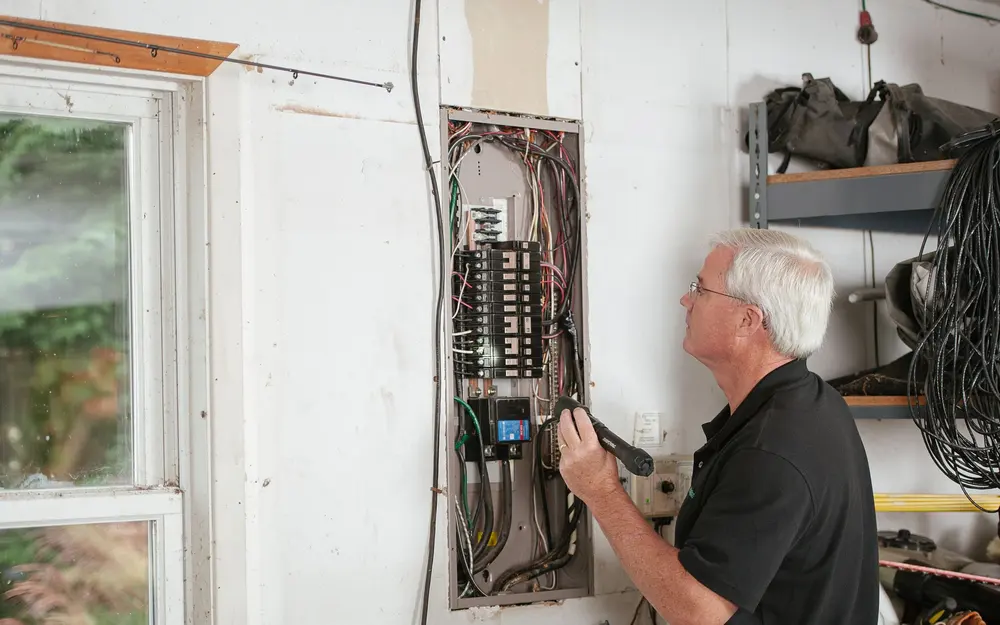
Electrician checking the wiring in an older home panel while sizing a Phoenix-area panel upgrade

1. Size the New Panel

The load calculation, plus anything you plan to add like an EV charger or generator, sets the panel and service size.
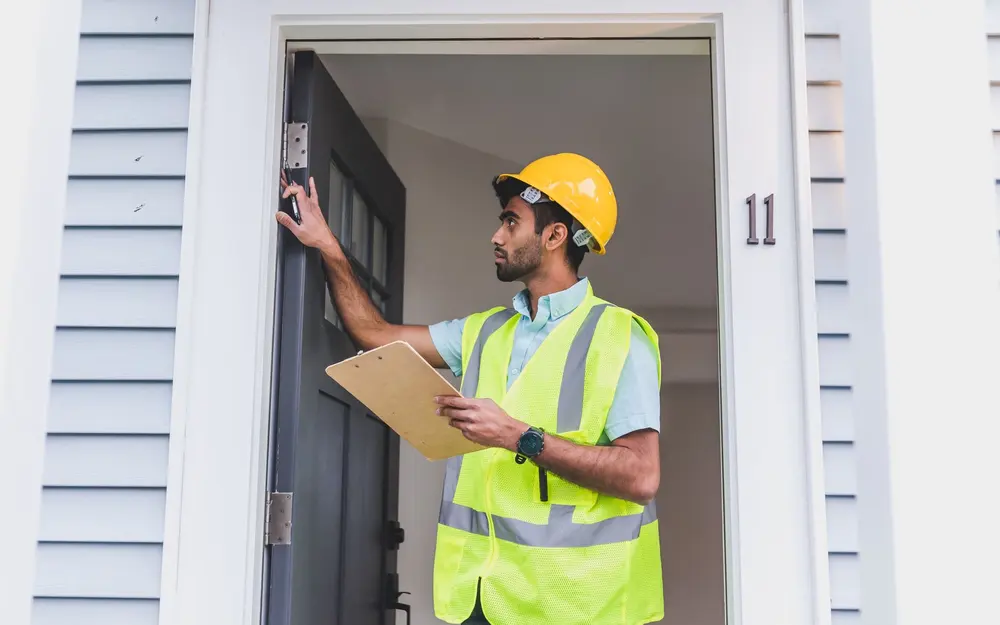
Inspector in a hard hat and safety vest with a clipboard at a home front door for the permit inspection

2. Permit and Utility

Panel replacements generally need a permit and inspection. Power is cut at the meter, coordinated with APS or SRP.
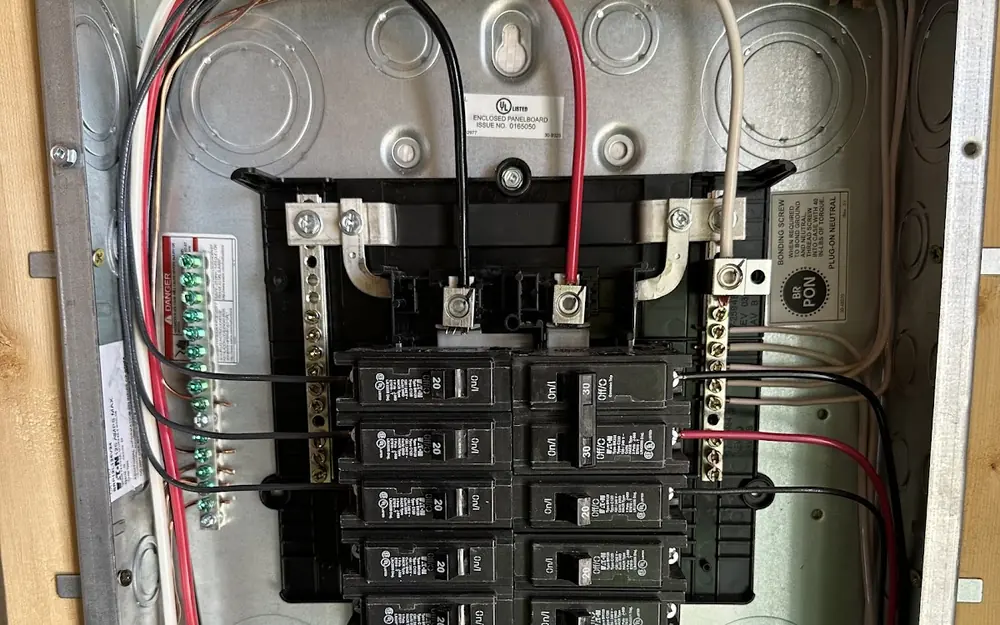
Breaker panel with red and black conductors landed on individual breakers during a panel replacement

3. Replace and Reconnect

The old panel comes out and the new one goes in. Each circuit lands on a properly sized breaker, grounding and bonding are checked, and every circuit is labeled.
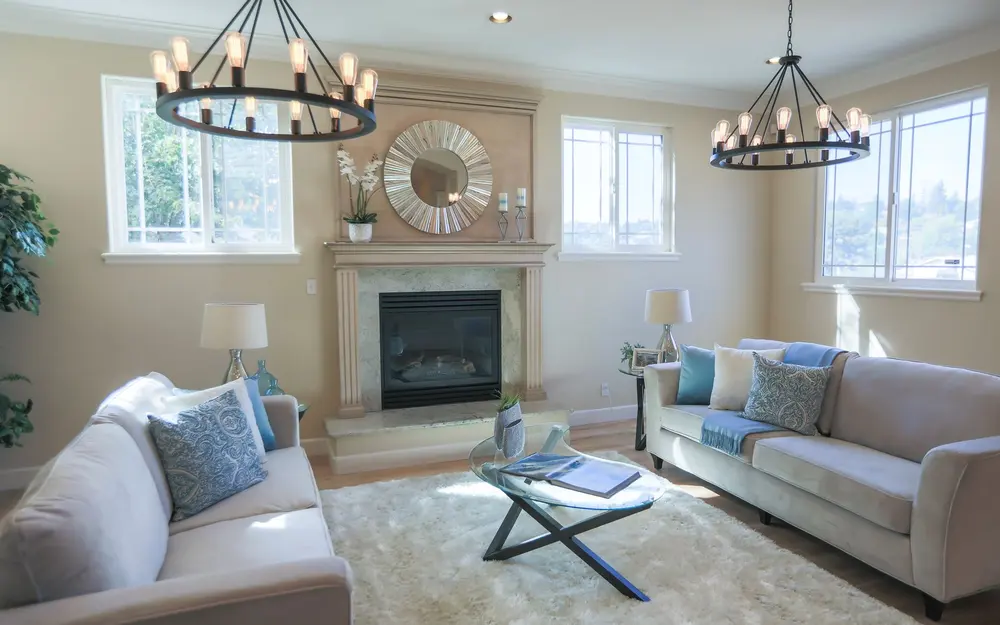
Bright living room with lit chandeliers and lamps in a suburban home after power is restored

4. Inspect and Restore Power

A city inspector checks the work, then the utility reconnects service and your home is back on.

Plan for Part of a Day Without Power

The power-off part of the job usually takes part of a day, depending on the panel, the wiring, and whether the service size is changing. In Phoenix, a house without AC on a July afternoon heats up quickly, so a little preparation helps:

  • Ask about a cooler month or an early start if you have a choice.
  • Plan where family and pets will spend the outage.
  • Clear a path to the panel and the meter, inside and outside.
  • Keep the fridge and freezer closed, and tell your electrician about any medical equipment that needs power.

When the job is done, you should have a panel sized for how your home really runs, with room for what you’ve planned, clearly labeled circuits, and city sign-off.

Whether you’re in central Phoenix or farther north in Anthem and Happy Valley, the first step is the same: a look at your panel and a load calculation, so you know what your home needs before any work begins.
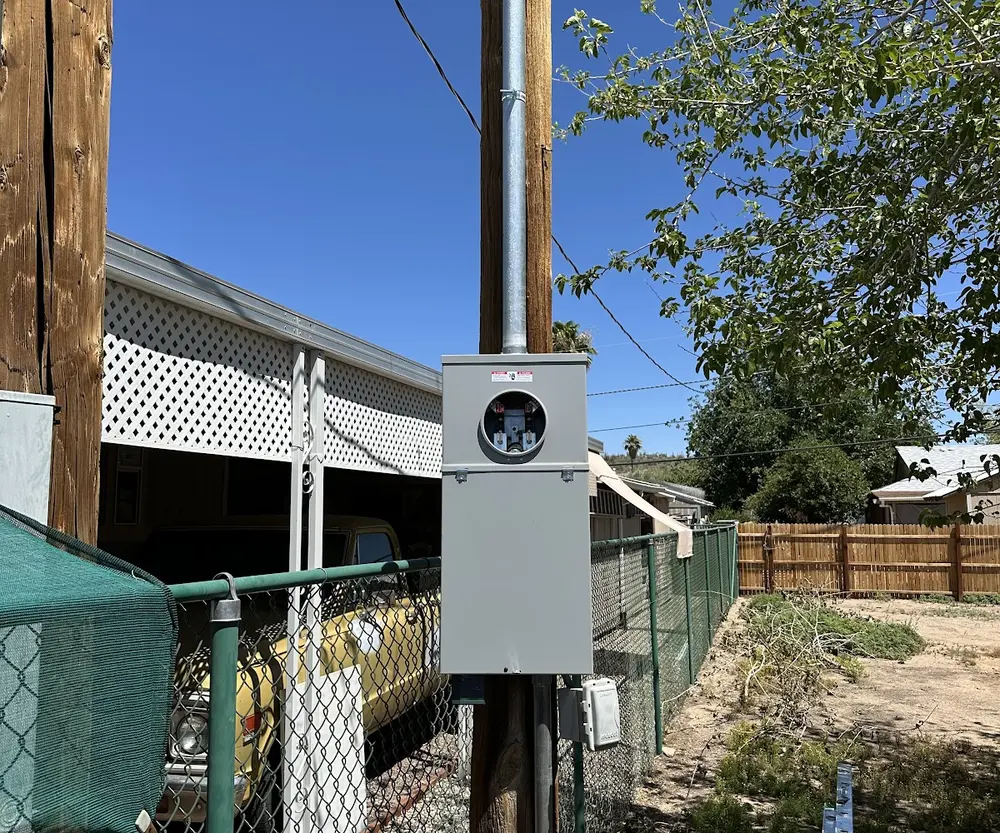

New outdoor meter socket and service panel mounted on a utility pole, ready for power to be reconnected after a panel upgrade
Electrician in a white hard hat and work gloves wiring a fixture on a wall during a home electrical job

Schedule Your Panel Assessment

Panel upgrades are larger jobs, so we offer a free on-site estimate. If you want to know whether your home has outgrown its panel, we’ll give you a clear answer before any work begins. SDG Electric has a 5.0 star Google rating across 75 reviews. We serve Phoenix, Anthem, and Happy Valley.

Frequently Asked Questions

Can my 100-amp panel handle pool equipment, a heat pump, or an EV charger, or do I need to go bigger?

It depends on what your panel already carries and what you’re adding. A 100-amp panel can sometimes support an EV charger or a heat pump if there’s open breaker space and the math works out. But if your AC, pool pump, and other big loads already use most of that capacity, adding more can push you past what the panel can safely handle. The only way to know is a load calculation that adds up everything your home runs, including long summer AC cycles.
What’s a safe way to connect a portable generator to my panel?

Through a transfer switch or an approved interlock device, never a direct plug-in. This keeps generator power from backfeeding onto utility lines, which is dangerous for you and utility workers. Some older or crowded panels don’t have the space or design to accept one, which means panel work may be needed first.
My panel has thin wiring feeding a lot of amperage. Is that a problem?

Yes. Undersized wire feeding more amperage than it’s rated for is a serious fire risk. Wire gauge has to match the breaker and panel it feeds, and a mismatch can overheat under heavy load, especially during long Phoenix summer AC runs. A licensed electrician should check this as part of any panel inspection.
Vector 3 (1)electrician testing home ev wall charger

Why Choose SDG Electric?

With a commitment to excellence, SDG Electric stands out as a trusted electrical service provider in Phoenix. We use high-grade materials and follow industry best practices to deliver lasting solutions. Our team of trained professionals stays current with the latest electrical codes and technologies, ensuring expert service on every job. Precision is at the core of our work, with meticulous attention to detail to guarantee safety and accuracy. We also pride ourselves on reliability—maintaining clear communication, showing up on time, and completing projects within budget.
Our Mission
At SDG Electric, our mission is to provide the Phoenix community with dependable and efficient electrical services. We aim to build lasting relationships with our clients through integrity, professionalism, and unparalleled service quality.
electrician testing home ev wall charger

Quality

Expertise

Precision

Faithfulness

A Word from Our Clients

Testimonials Section

Google 2015 logo.svg 1 (1)
Read More 5-Star Reviews on Google

a male electrician works in a switchboard with a wrenchSubtractContainer

Get Electrical Help You Can Trust

For all your electrical needs in the Greater Phoenix Area, trust SDG Electric to deliver quality and reliability.