
Stock photo, not our work. Photo by cottonbro studio via Pexels.
A sign is the part of an electrical problem you can see. The cause is usually somewhere you can’t, like a loose connection in a box, a worn wire behind the drywall, or a breaker that’s worn out. That’s why the same flicker can mean two very different things. These are the signs that tell you a problem has moved past a quick fix.
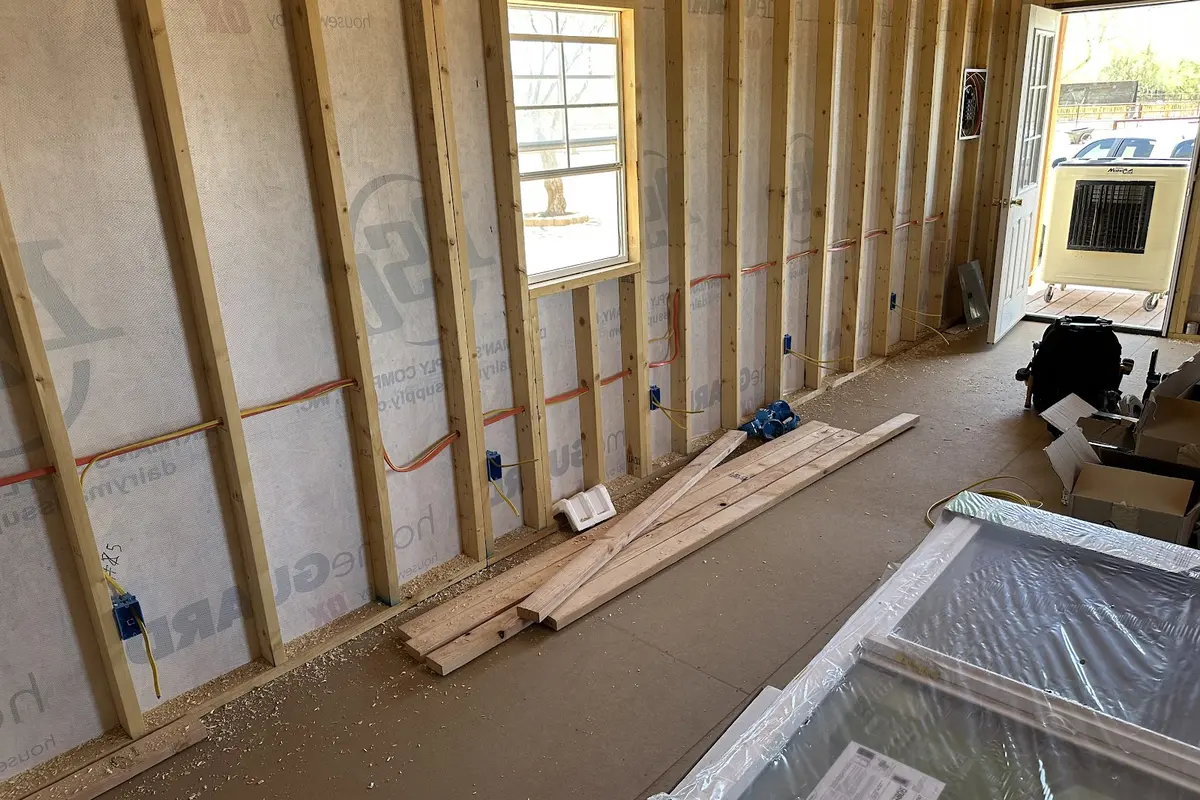
Phoenix heat makes these signs worth taking seriously. In summer, your AC runs hard for months, and attics and garages get very hot. Heat and heavy load can make a loose connection worse over time, so a small flicker in spring can turn into a warm outlet by July. If a sign shows up when the AC cycles on, make a note of it. It’s a useful clue for whoever checks the circuit.
Not every sign needs an electrician. A bulb that flickers in one lamp often just needs a new bulb or a tighter fit. A GFCI outlet in a kitchen or bathroom that trips once can usually be reset with its button. A breaker that trips once on a hot afternoon, with several big loads running, may have been overloaded. If it holds after you reset it and nothing feels warm, you can keep an eye on it. If it happens again, that’s a pattern, and a pattern is worth a closer look.
The goal of a real repair is to fix the reason a sign showed up, not just make it go away for a while. That way, the repair holds up through the next Phoenix summer and the one after it.
Call 602-584-2244 or request a free on-site estimate for larger jobs.
Plenty of electrical hiccups don’t need a service call. Use this test. If the fix happens at the bulb, the plug, or a reset button, it’s usually yours to handle. If it means taking off a cover plate, opening the panel, or touching a wire, it’s a job for a professional electrician.
Before you call anyone, a few quick checks can save you the trouble:
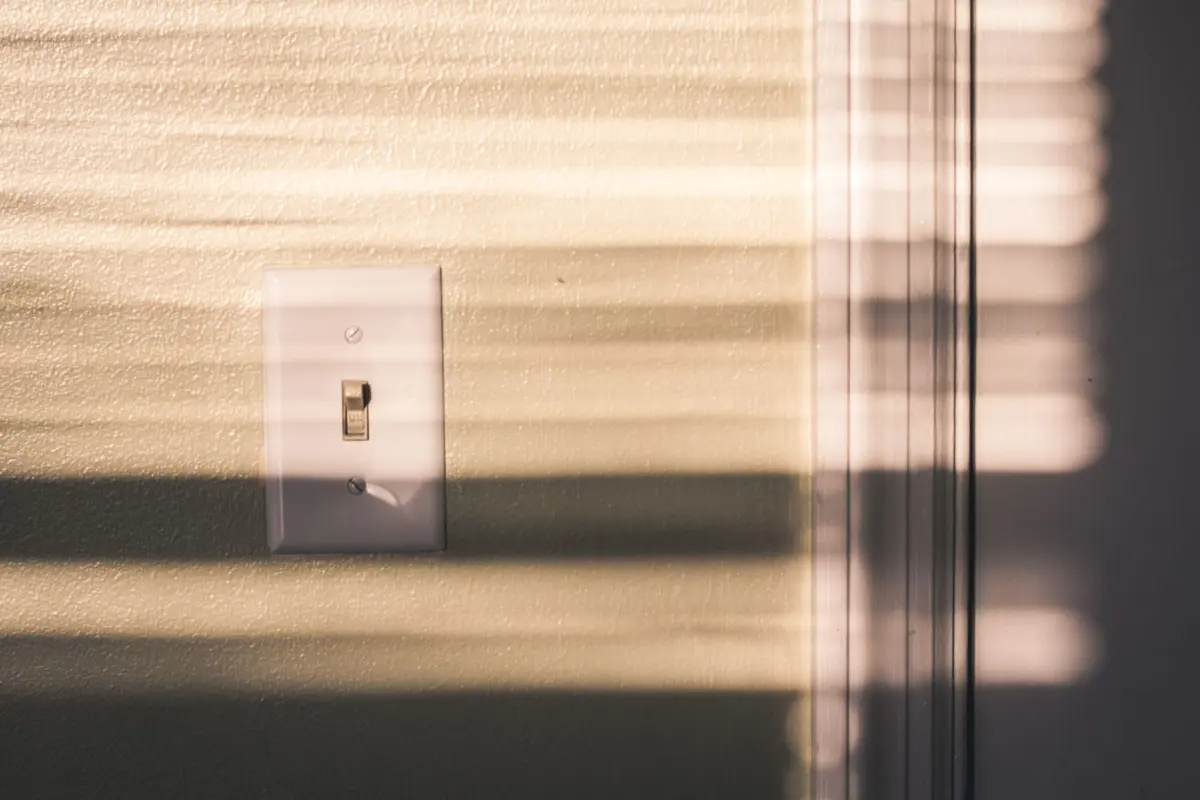
Some problems are real but can safely wait a few days for a scheduled visit. Think of a single dead outlet that still won’t work after you’ve checked every GFCI, a switch that feels loose, a ceiling fan that wobbles, or a light fixture that won’t come on even with a new bulb. None of these is urgent on its own, as long as nothing feels warm, buzzes, or shows scorch marks. A plug that slides right out of an outlet falls in this group too. It’s not an emergency, but worn contacts can heat up, so don’t use that outlet for a space heater, hair dryer, or anything else that pulls a lot of power until it’s replaced.
If any of the signs we covered earlier show up, the clock changes. Heat, a burning smell, sparks, or a shock move a problem out of the “can wait” group.
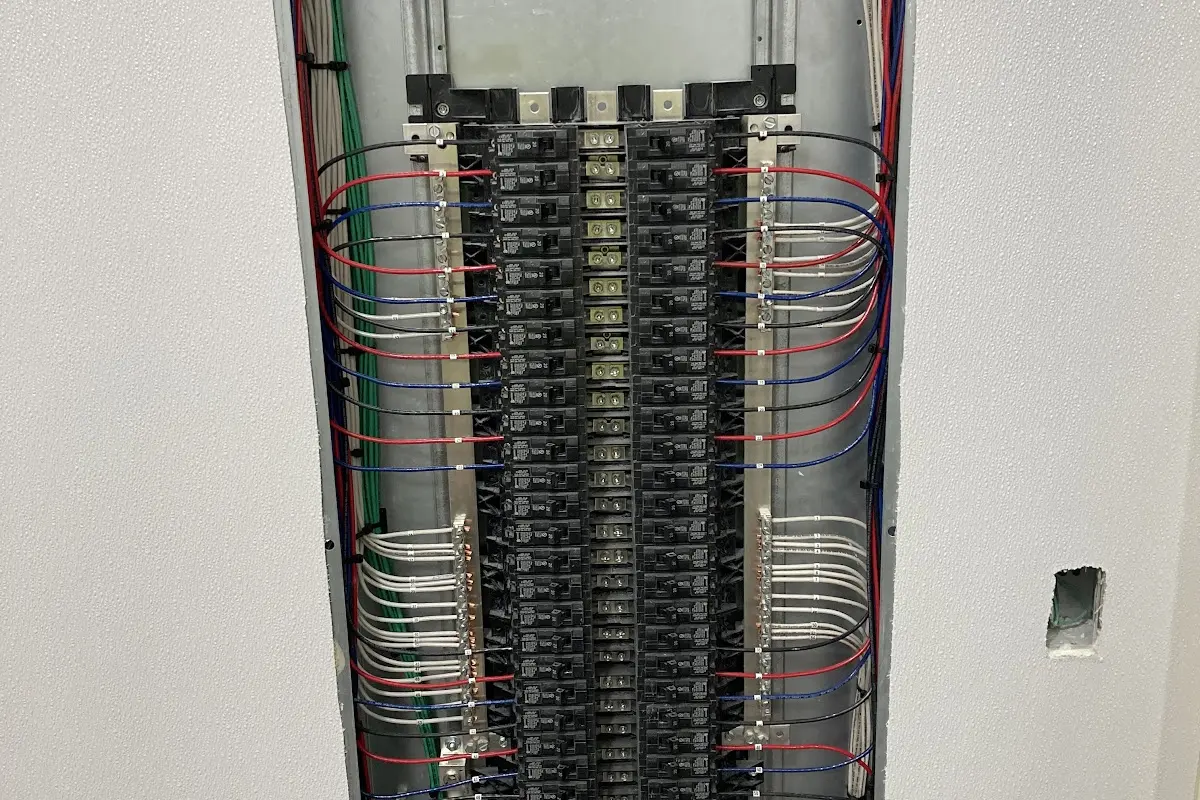
There’s also a firm line on DIY that we’d ask you not to cross. Leave anything inside the panel alone. Don’t add or move a circuit. Be careful about swapping outlets or switches yourself, especially in an older home where the wiring may not match what the new device expects. Turning off one breaker doesn’t always mean every wire in a box is dead, because some boxes carry more than one circuit.
Mistakes with wiring don’t always show up right away, either. A connection that’s just a little loose can work fine for months and then start to heat up once the house is under heavy summer load. That’s the hard part about electrical work. A job can look finished and still not be safe.
If you’re not sure which side of the line a problem falls on, treat it as the safer side. Leave the cover plate on and let someone with the right training take a look.
Tell us what is going on. Larger jobs get a free on-site estimate, and we will give you a clear answer before any work begins.
Phoenix is hard on wiring in two ways. Summer heat wears on it slowly, month after month. Monsoon storms hit it hard, a few times a year. Both can leave behind damage you can’t see. That’s why we look past the outlet or switch in front of you and check what the weather has been doing to the circuit behind it.
Start with the attic. On a summer afternoon here, an attic can get far hotter than the air outside. Many of the wires that feed your lights, fans, and bedroom outlets run through that space. Wire is rated to carry a certain amount of power at a certain temperature. When the air around it is very hot, the wire has less room to shed its own heat. Over many summers, the plastic jacket on older wire can turn brittle and crack. That’s often found only when someone opens a box and sees insulation that falls apart when it’s touched.

Then there’s the daily swing. Metal grows a tiny bit when it heats up and shrinks when it cools. A screw terminal or wire nut goes through that cycle every day of the year. In Phoenix, the cycle is bigger and runs longer than in most places. A connection that was snug when it was made can slowly work loose. A loose connection makes more heat, and more heat loosens it further. This matters most in homes with aluminum branch wiring, which some homes built in the late 1960s and early 1970s have. Aluminum expands more than copper, and it needs devices and connectors rated for it.
Outdoor equipment takes the most direct hit. Exterior outlets, panels, pool and spa disconnects, and landscape lighting sit in full sun. Covers, gaskets, and plastic boxes fade and crack. Once a seal fails, monsoon rain and blowing dust can get inside. Water in a box can trip a GFCI over and over. Dust can hold moisture against terminals and help corrosion set in.
Monsoon storms add a few problems of their own:
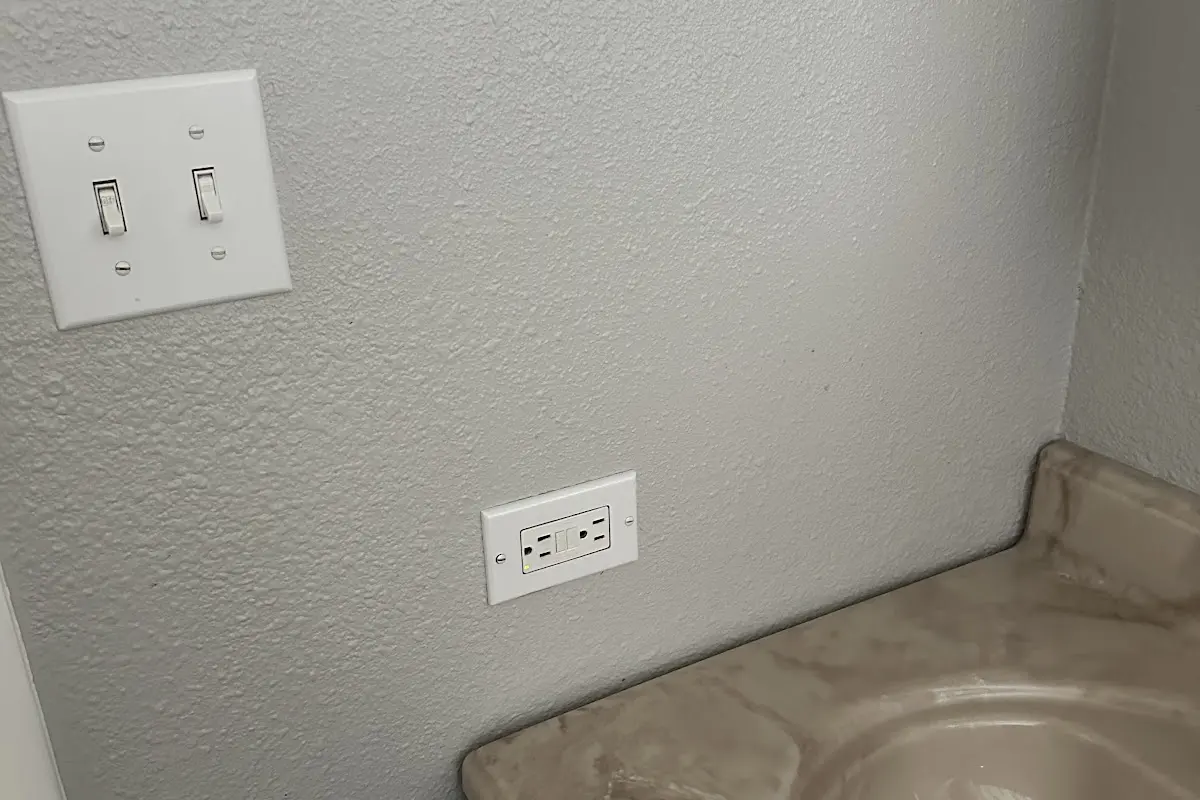
Say an outdoor GFCI keeps tripping after a storm. Swapping the outlet may get it working for a week. If the box behind it is letting in water, the new outlet will fail the same way. A lasting fix means finding the gap in the cover, the cracked box, or the loose connection, and correcting that too. The breaker may be the only part that failed, or it may be the first sign of a wider surge. For homes that lose devices to storms, whole-house surge protection at the panel is worth asking about. Our professional electricians can tell you whether it makes sense for your setup.
None of this means your wiring is failing just because you live here. It means summer and storm season are when weak spots show up. When one does, the right repair accounts for the heat and weather that caused it.
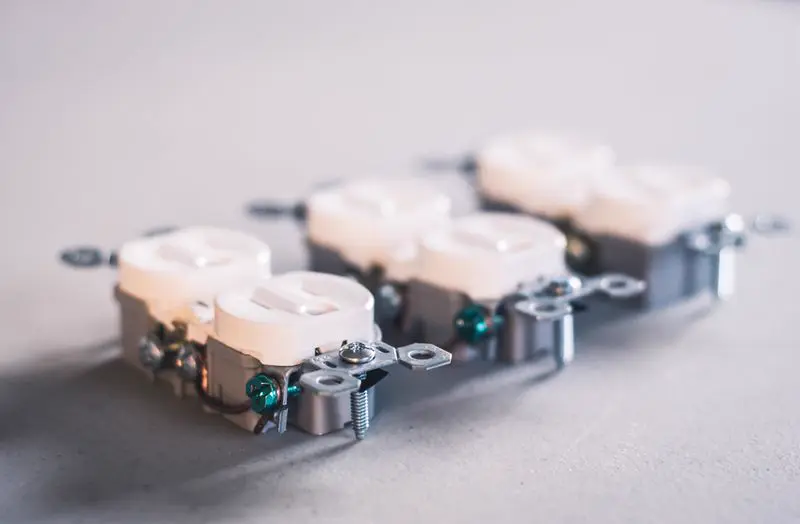 Stock photo, not our work. Photo by Steve A Johnson via Pexels.
We serve Phoenix, Anthem and Happy Valley. Not sure your address is in range? Call and we will tell you.
A repair visit has one job. It should find the cause behind the sign and fix that, not just swap the part that quit. A careful visit looks like this, so you know what to expect from any electrician you hire, including us.
You can make the visit faster and more accurate before anyone shows up. Jot down a few details and have them ready:
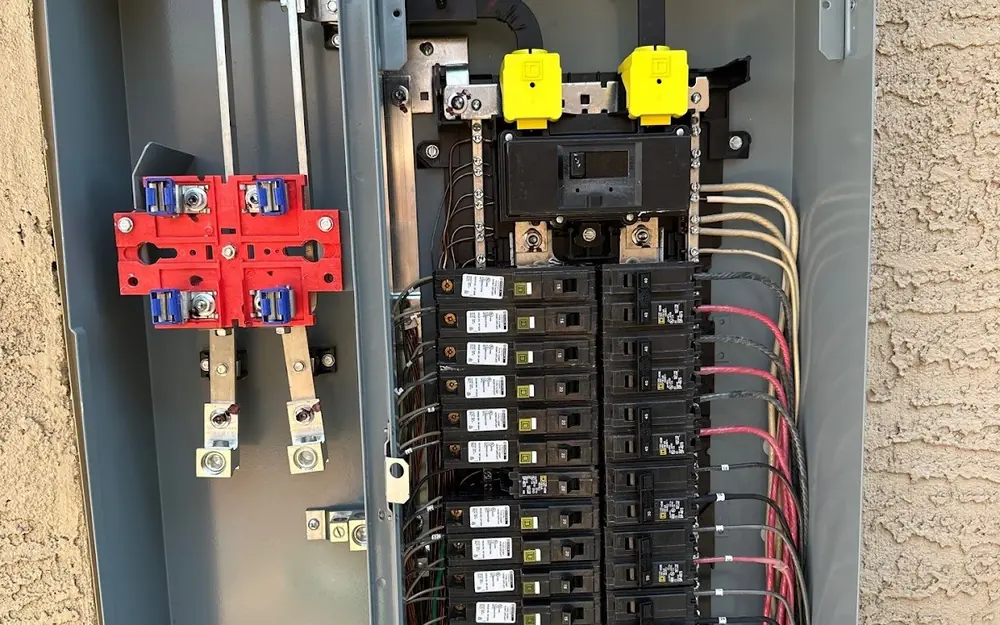
It also helps to clear a path to your panel, whether it’s in the garage, a closet, or on an outside wall, and to keep pets in another room.
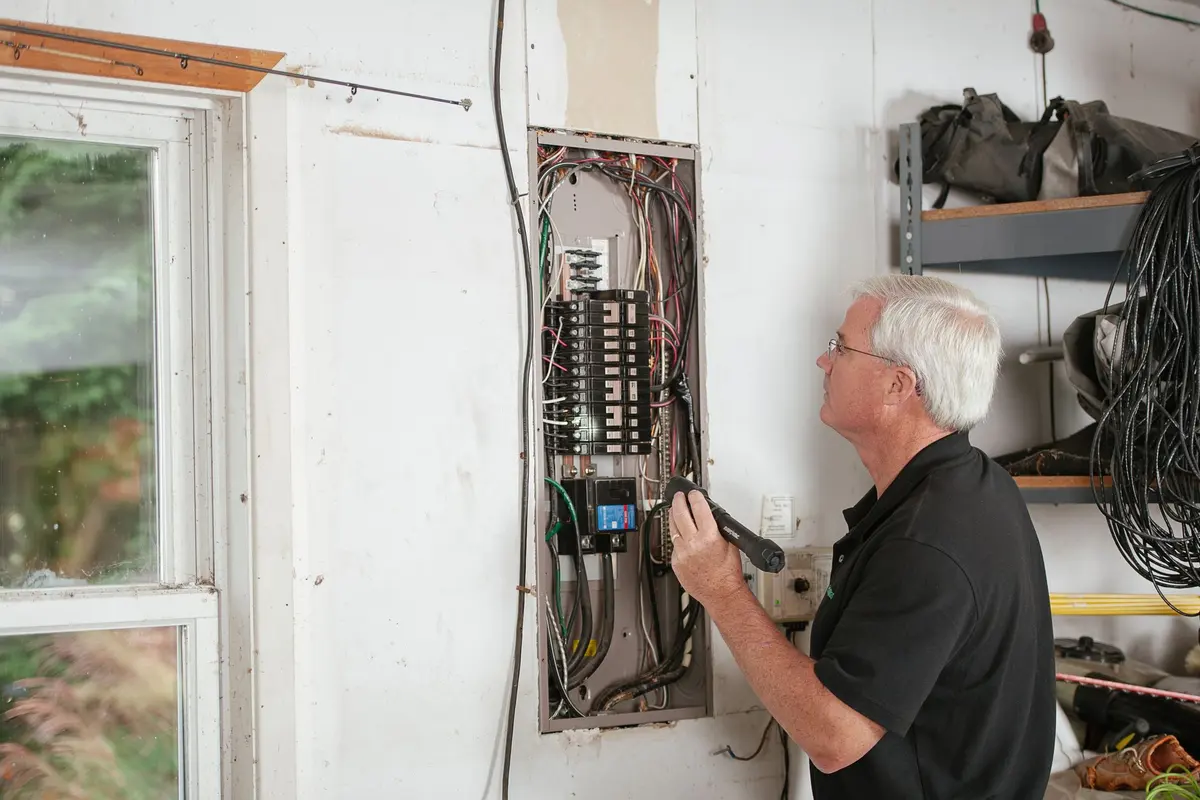
A good diagnosis starts with testing, not guessing. That usually means checking the problem device, opening the box to look at the connections, and tracing the circuit back to its breaker in the panel. Sometimes the trail leads into the attic or behind a finished wall. That takes longer, but it’s how you find the loose splice or worn wire that a new outlet alone won’t fix.
Before any work starts, you should hear what was found, what caused it, and your options in plain words. If the cause turns out to be bigger than one device, like a worn breaker or a damaged wire run, that’s when a clear quote matters. For larger jobs, SDG Electric offers free on-site estimates, so you can make the call without pressure.
Pricing for electrical repair usually follows one of two models across the trade. Some electricians charge a trip or diagnostic fee, then bill time plus parts. Others charge a set price per repair once the problem is found. A few things tend to move the cost up or down: how hard the fault is to track down, how easy the wiring is to reach, the age and type of wiring, and whether the work calls for a permit and inspection.
Before you hire anyone, these questions are worth asking:

A finished repair should be tested with the circuit running under a normal load. The cover plates should be back on, and you should know exactly what was changed and why. If the repair only quiets the sign for a while, it isn’t finished.
The price of an electrical repair mostly comes down to one thing: how far back the real cause sits. A sign tells you something is wrong, but it doesn’t tell you where. That’s why an honest electrician can rarely give you a firm number over the phone. They can explain how they charge, which we covered in the repair visit section. The real number comes after testing.
It helps to think about repairs in three levels. Each level usually takes more time and more parts than the one before it.
Phoenix adds a cost factor that many places don’t have. When a repair leads into the attic in July, the work goes slower. Electricians have to take breaks and move carefully in that heat, and that time shows up on an hourly bill. If your problem can safely wait, a cooler month or an early morning visit can make attic work easier for everyone.
Timing matters in another way, too. Across the trade, nights, weekends, and holidays often cost more than a weekday visit. For heat, sparks, a burning smell, or a shock, that extra cost is worth it. For a dead outlet with no other signs, it usually isn’t.
Permits can change the total as well. Swapping a device for the same kind usually doesn’t need one. Work that changes a circuit or touches the panel often does, and the permit fee and inspection add to the cost. A good quote tells you up front whether a permit is included.
When you get a written quote, look for these details:
If a monsoon storm or a nearby lightning strike caused the damage, call your homeowner’s carrier before the repair if you can. Take photos of burned devices, tripped equipment, and any damage outside. Some policies cover storm damage, and a clear written report of what failed and why can help your claim.
The cheapest quote isn’t always the lowest cost. A fix that only quiets the sign means you’ll pay for a second visit later. We’d rather price the repair that fixes the cause the first time.
Common causes are an overloaded circuit, a short, a ground fault, or a worn breaker. A breaker that trips repeatedly is a warning, so have it checked rather than resetting it again and again.
No. A warm outlet or switch can mean a loose connection or an overloaded circuit. Stop using it and have it checked.
The cost of an electrical repair depends on the wire run, how easy the walls or attic are to reach, and the condition of the existing panel and circuits. We do not quote prices online. Call (602) 584-2244 to talk it through; free on-site estimates are available for larger jobs.
Phoenix lists electrical updates, rewiring and additions as work that needs a permit. Simple like-for-like repairs may not, so confirm with your city.
Arizona lets an owner work on their own home if it is not meant for sale or rent, but permits and inspections still apply where the city requires them. We suggest hiring a professional electrician for anything inside the panel or behind finished walls.
Call us or send a request. We serve Phoenix, Anthem and Happy Valley, with 24/7 emergency service.


